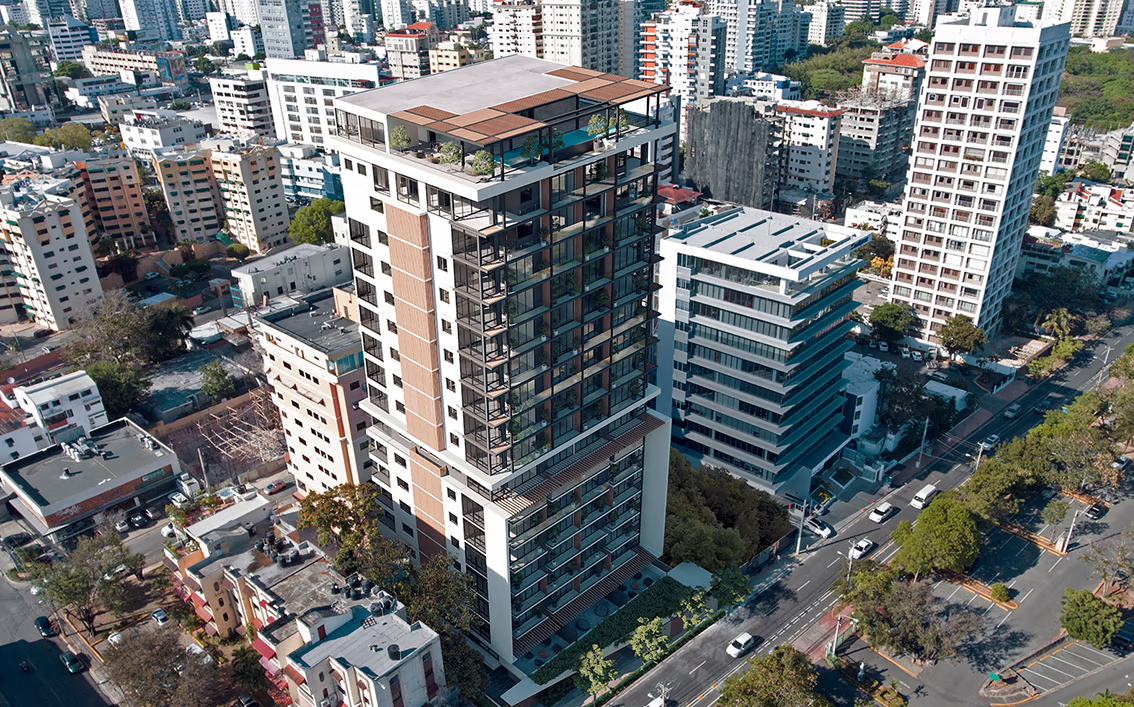
Market target
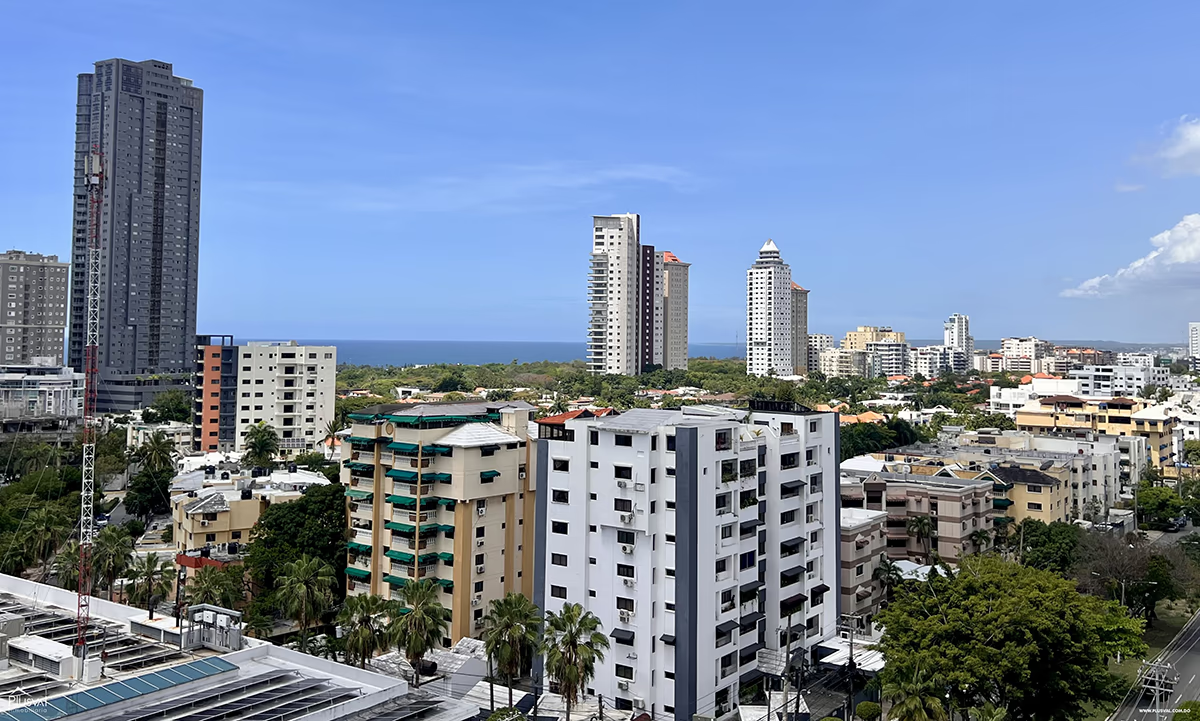
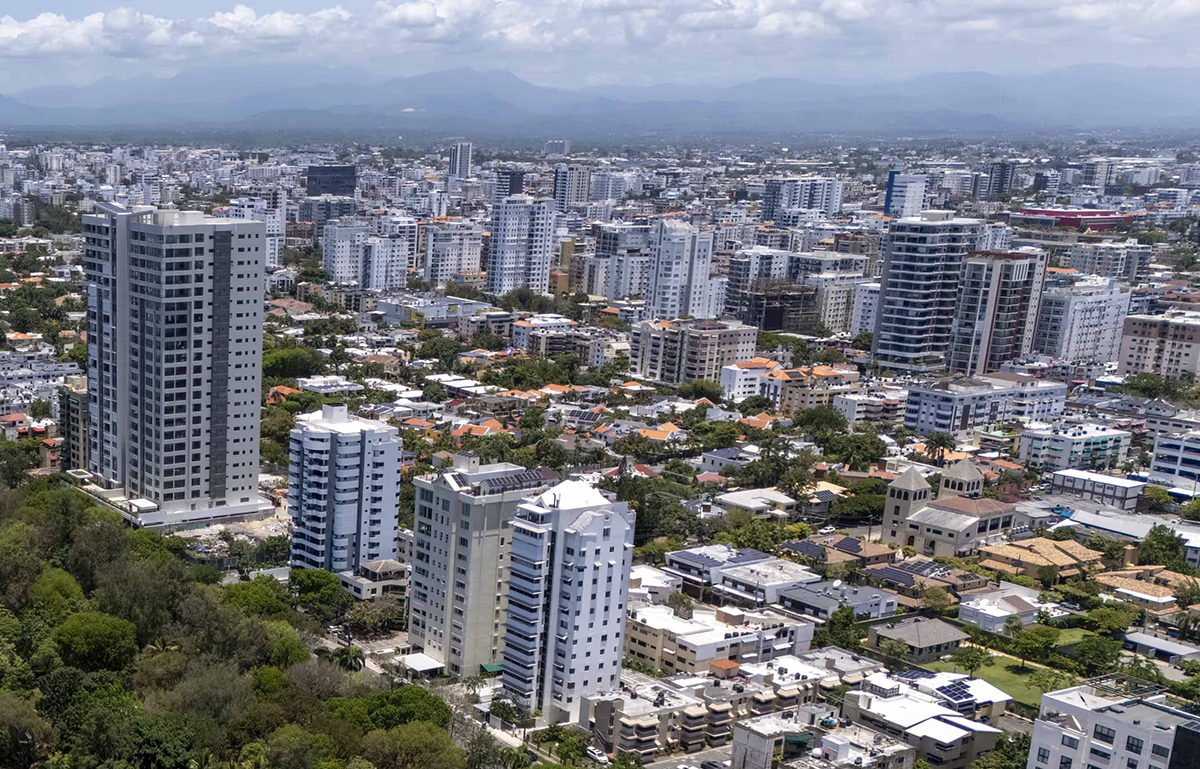
Understanding your buyer is the first step to a successful sale in La Esperilla. The neighborhood attracts a diverse range of purchasers, each with distinct motivations. By tailoring your marketing to the dominant buyer profiles, you can significantly reduce your days on market and achieve a premium price.
| Segment | Age | Budget | Location Preferences | Key Motivations | Marketing Focus |
|---|---|---|---|---|---|
| International Investors | 35-65 | $250,000-$500,000 | La Esperilla, Piantini, Ensanche Naco | High yields (7-9%), USD asset, tourism-driven demand, favorable 10% capital gains tax | High rental yields, strong legal protections (Law 85-25), and tax incentives for foreign owners. |
| Expatriate Professionals | 30-50 | $200,000-$350,000 | La Esperilla, Bella Vista, Evaristo Morales | Proximity to business centers, modern amenities, security, and walkability | Lifestyle benefits, safety, international schools, and straightforward ownership for foreigners. |
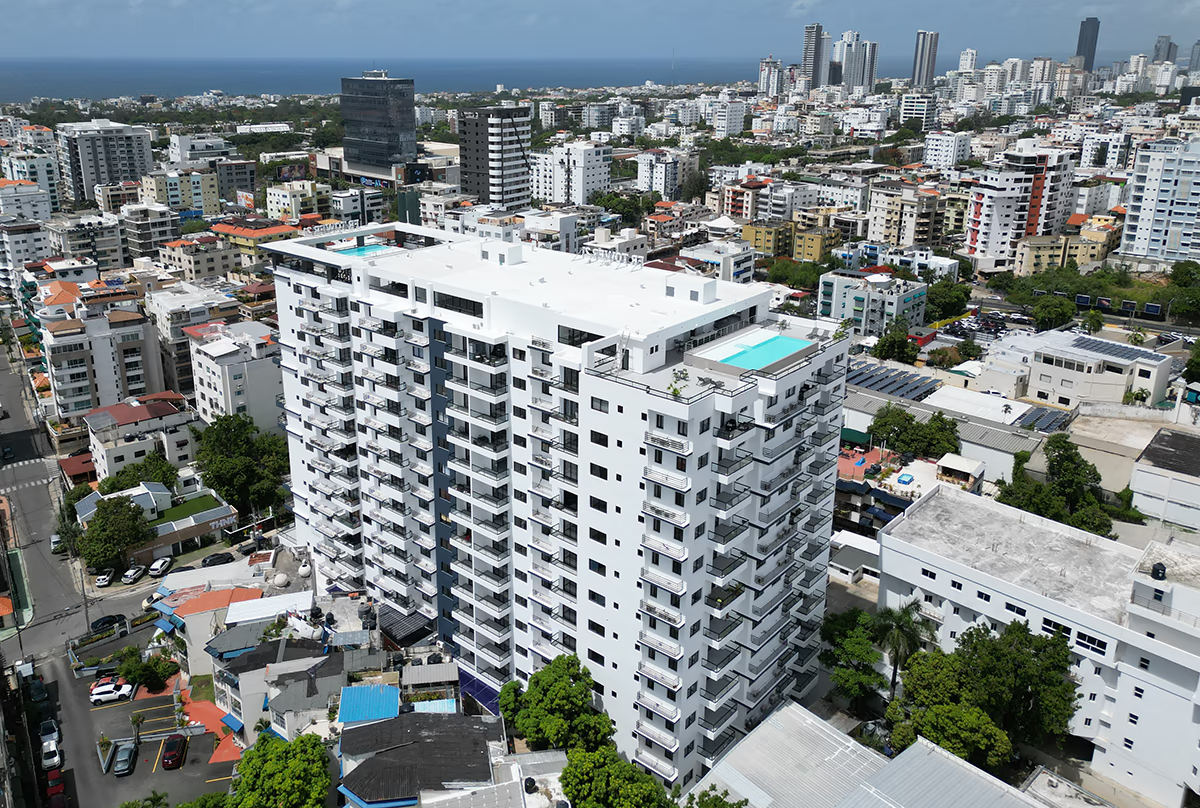
| Luxury Second-Home Buyers | 45-70 | $400,000-$800,000+ | La Esperilla, Piantini, Los Cacicazgos | Premium finishes, sea/city views, concierge services, and rental income potential | Luxury features (pools, gyms, security), property management, and ROI when not in use. |
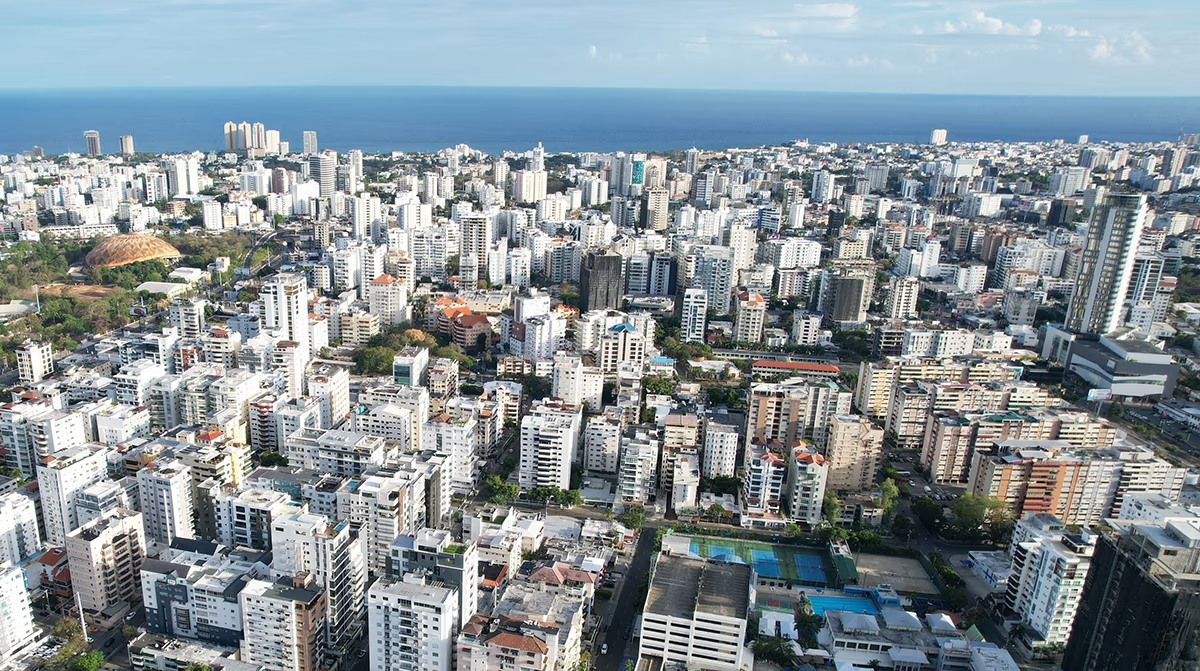
Local developers are increasingly active in La Esperilla, focusing on high-end, amenity-rich condo projects. This has strengthened the area's reputation as a premier residential district. For a seller, this means sophisticated buyers who are educated on market value but are also willing to pay a premium for quality, views, and a well-presented property.
Tax Framework
Recent legislative changes have made the Dominican Republic an even more attractive market for property investors and sellers. For a seller in La Esperilla, understanding the tax benefits can help you structure your sale to maximize your net proceeds.
Definition The tax framework for property transactions is primarily governed by Law 30-26 (2026), which introduced a flat, significantly reduced capital gains tax rate for individuals. This has increased the net profitability of selling a property compared to previous progressive rates.
Benefits
- Reduced Capital Gains: A flat 10% capital gains tax for individuals is a major benefit, making a sale significantly more lucrative.
- Reinvestment Exemption: Sellers can avoid the 10% capital gains tax if they reinvest the proceeds from their primary residence into another property within six months.
- Senior Exemption: Sellers over 65 years old are exempt from paying capital gains tax, unlocking substantial savings for retirement planning.
Concrete Financial Example To illustrate the financial impact, consider an investment property in La Esperilla:
- Initial Purchase Price: $250,000 USD
- Sale Price: $350,000 USD
- Gross Profit: $100,000 USD
Under the new Law 30-26, the calculation is as follows:
- Taxable Amount: $100,000 USD (Gross Profit)
- Tax Rate: 10% (Individual Rate)
- Capital Gains Tax Owed: $100,000 × 0.10 = $10,000 USD
Net Profit: $100,000 (Gross) - $10,000 (Tax) = $90,000 USD
This represents a substantial savings compared to the previous, higher individual rates. It makes selling and reinvesting in the Dominican market a highly efficient strategy.
Requirements
- Appropriate Legal Structure: While individuals benefit from the 10% rate, properties held by a corporation are subject to a 27% capital gains tax.
- Documentation: Ensure clear title and a clean sales contract. For the reinvestment exemption, strict documentation of the new purchase within the 6-month window is required.
- Compliance: All sales must be executed with an official notary and the transfer tax must be paid to the DGII to transfer the title.
Pricing Definition
Setting the right price is the most critical decision you will make as a seller. In La Esperilla, a premium neighborhood, pricing is more than just a number; it's a strategic tool to attract serious, qualified buyers. A well-researched, data-driven price will generate competition, while a price that is too high can deter buyers and lead to a stale listing.
Area Median Price (AMP) The following AMC table, based on current market data, provides a benchmark for positioning your property. La Esperilla is the highest-priced neighborhood in the city, reflecting its status as a premier residential hub.
| Area | Price per sqm (USD) | Status |
|---|---|---|
| La Esperilla | $2,833 | Premium |
| Piantini | $2,747 | Established Luxury |
| Los Cacicazgos | $2,645 | Luxury |
| Mirador Sur | $2,474 | Established |
| Ensanche Naco | $2,543 | Established |
| Bella Vista | $2,304 | Established |
| Evaristo Morales | $2,133 | Emerging |
Premium Pricing Factors In La Esperilla, certain features command a significant premium. Highlight these in your listing to justify a higher price point.
- Unobstructed Sea or City Views: Panoramic views can add 10-20% to the property's value.
- Modern, High-End Finishes: Properties with contemporary design, marble floors, and premium fixtures are more attractive to high-net-worth buyers.
- Building Amenities: Pools, gyms, 24/7 security, and concierge services are not just nice-to-haves; they are essential for luxury buyers.
- Floor Level & Layout: Higher floors are generally more desirable. A functional, open floor plan is also highly valued.
- Parking: Secure, designated parking for 2 or more vehicles is a significant asset.
- Proximity to Services: Walkability to restaurants, shops, and business districts is a major selling point for professionals and investors.
- Property Condition: A property that is move-in ready will command a premium over one that requires significant renovations.
Valuation Anchors Professional appraisals will use the price per sqm as a primary anchor. However, for investors, the rental yield is an equally important value anchor. With Santo Domingo average gross yields at 9.08% and La Esperilla benefiting from strong rental demand, a buyer can justify a higher purchase price by calculating the potential rental income. A property that offers both high-end living and a strong ROI is a powerful combination for the La Esperilla market.
Selling Process
Selling property in the Dominican Republic is a structured legal process. Understanding each step will help you prepare and avoid delays, ensuring a smooth transaction from listing to closing. By being proactive and organized, you can make your property more attractive to buyers.
-
Market Preparation & Agent Selection The value of a real estate agent in La Esperilla cannot be overstated. A local expert will have knowledge of comparable sales and can market your property to the right audience. They can also pre-screen buyers, saving you time and ensuring only serious, pre-qualified prospects visit your home. Documents to prepare at this step:
- Property Title (Certificado de Título): Your primary proof of ownership. Ensure it is up to date and free of liens.
- Property Tax Receipts: Proof of payment for the annual IPI (Property Tax) and municipal taxes.
- Building Plans & Specifications: For condos, the official floor plan and a list of materials/building features are valuable for marketing.
-
Listing & Marketing Your property is listed and marketed through the agent's network and online platforms, often with a focus on international buyers. This is where your marketing strategy is executed. High-quality photos, a detailed property description, and exposure on international platforms are key to attracting the right buyer. Documents to prepare at this step:
- Professional Photography/Videography: Essential for creating a strong first impression online.
- Property Information Packet: A digital or physical package with all details about the property, building, and neighborhood.
-
Property Viewings & Negotiations Qualified buyers will view your property. Your agent will handle all viewings and negotiations. This is where your preparation pays off. A well-presented property is easier to sell at a better price. Documents to prepare at this step:
- Offering Memorandum: A professional document for serious investors, providing financial projections and property details.
-
Drafting the Promise of Sale (Promesa de Compraventa) Once a price is agreed, a "Promise of Sale" is drafted. This is a preliminary, binding contract outlining the terms of the sale, including the price, payment schedule, and closing date. A deposit (usually 10% of the sale price) is paid by the buyer at this stage. Documents to prepare at this step:
- Draft of Promise of Sale: Prepared by the buyer's or seller's lawyer, outlining the final terms.
- Mortgage Information (if applicable): If the buyer is obtaining a mortgage, provide the required property details to their bank.
-
Legal Due Diligence The buyer's legal team will conduct a title search to confirm your ownership and check for any liens or encumbrances on the property. Having your documents in order will expedite this process significantly. Documents to prepare at this step:
- Copy of Title: The title certificate is the primary document for the due diligence process.
- Tax Clearance Certificates: Official documentation proving that all property taxes and municipal taxes are paid.
-
Finalizing the Public Deed (Escritura Pública) The official deed of sale is drafted before a Notary Public. This is the final legal document that transfers ownership from you to the buyer. Both parties sign the deed in the presence of the notary. Documents to prepare at this step:
- Current Title: The original or certified copy of the title is required.
- Final Sales Contract: The final, legally binding deed of sale.
-
Payment & Closing At the closing, the buyer pays the remaining balance of the sale price. You will be required to transfer the property taxes and fees. The buyer covers the 3% transfer tax and legal fees, while you are responsible for your own legal fees and any outstanding mortgage or liens. Documents to prepare at this step:
- Identification: A valid passport or local ID is required for the closing.
- Power of Attorney (if applicable): If you cannot attend the closing in person, your legal representative must provide a notarized power of attorney.
-
Transfer of Title & Registration After closing, the new deed is registered with the Title Registry, officially transferring the property to the buyer. You receive your net proceeds, and the sale is complete. Documents to prepare at this step:
- Closing Statement: A summary of all financial transactions from the closing.
- Completion of Title Registration: Ensure the new title is properly registered in the buyer's name.
Sales commissions typically range from 5-10% of the final sale price. The entire process from listing to closing in La Esperilla typically takes 30-90 days, depending on buyer financing and legal due diligence.
Taxes and Transfers
📌 Legal Highlight: For maximum net proceeds, ensure you are selling as an individual to benefit from the new 10% capital gains tax rate. If you own the property through a corporation, you'll be subject to the 27% corporate rate. Consider restructuring before sale if possible.
Navigating the taxes and transfer fees is a crucial step to ensure a profitable and compliant sale. Understanding your obligations and the buyer's obligations will make the process transparent and smooth.
Key Tax Details
- Capital Gains (Individual): A flat 10% on the net profit from the sale, thanks to Law 30-26 (2026).
- Capital Gains (Corporate): A flat 27% tax rate applies to properties held by a Dominican corporation (SRL/SA). This is a significant difference, highlighting the tax efficiency of individual ownership.
- Pre-Sale Compliance: As a seller, you must ensure all property taxes (IPI) and municipal taxes are fully paid and up to date. Delinquent taxes must be cleared before the transfer can be completed.
- Advantages of the Special Regime: The new individual capital gains regime is a game-changer. It lowers the financial barrier to selling and encourages market fluidity, benefiting both buyers and sellers.
Seller Checklist for Taxes and Transfers A smooth transfer depends on your preparedness. Follow this checklist:
- Verify Title Status: Obtain a recent copy of the title certificate (Certificado de Título) to confirm your legal ownership and ensure no liens have been placed against the property.
- Pay All Property Taxes: Clear all outstanding IPI (Property Tax) payments. This is a mandatory step before the sale can close, as the tax office will not issue the necessary clearance certificate otherwise.
- Clear Municipal Taxes: Ensure your municipal property taxes (which can vary by location) are also paid in full.
- Settle Any Mortgage: If you have a mortgage on the property, confirm the payoff amount. The closing process will include paying off this debt from the proceeds of the sale.
Rental Yields
📌 Strategic Highlight: In La Esperilla, pricing is about more than just the property. Use dynamic pricing algorithms that account for high season (December-April) and local holidays to maximize your rental income and overall yield.
For many buyers in La Esperilla, the potential rental yield is a primary driver of their purchasing decision. As a seller, you can attract investors by demonstrating the income-generating potential of your property. The area's premium location, modern amenities, and high demand for short-term and long-term rentals make it a lucrative investment.
La Esperilla Rental Yield Comparison The following table compares the gross rental yields in La Esperilla and surrounding areas. While La Esperilla commands a premium price per sqm, its yields remain highly competitive due to strong demand.
| Location | Strategy | Gross ROI | Management Cost (Estimated) |
|---|---|---|---|
| La Esperilla | Short-Term / Seasonal | 9.08% (Proxy) | 15-20% |
| La Esperilla | Long-Term / Traditional | 8.5% | 10-15% |
| Piantini | Short-Term / Business | 9.0% | 15-20% |
| Bella Vista | Long-Term / Middle Market | 7.5-8.5% | 10-15% |
| Evaristo Morales | Long-Term / Emerging | 8.5-9.5% | 10-15% |
(Note: La Esperilla-specific data is a proxy, as Santo Domingo city averages 9.08%, with 2-bedroom units yielding 9.77% and 3-bedroom at 9.31%, according to Global Property Guide. Net yields, accounting for management and operating costs, are approximately 25-35% lower.)
Strategic Positioning To market your property effectively to investors, you must present a compelling financial picture. Provide a Pro Forma Profit & Loss (P&L) statement that projects the annual income and expenses. This level of detail demonstrates your understanding of the asset's value and helps buyers justify the purchase price. For short-term rentals, highlight the property's appeal to tourists and business travelers. For long-term rentals, emphasize the stable demand from expatriates and local professionals. By providing this financial breakdown, you position your property not just as a home, but as a high-performing financial asset.
International Marketing
📌 Marketing Highlight: Provide buyers with structural guarantees and maintenance documentation. A certified report on the building's structure, electrical systems, and recent upkeep transfers risk and builds immediate trust, especially for a demanding international audience.
La Esperilla's appeal is global. To achieve the highest price, your marketing strategy must be designed to attract international buyers who are comparing options across the Caribbean and Latin America. This requires a sophisticated, data-driven approach.
International Marketing Tactics
- Matterport Virtual Tours: Provide a 3D walkthrough of the property, allowing international buyers to explore the space in detail without having to be physically present.
- Professional Profit & Loss (P&L) Statement: Create a detailed financial breakdown showing potential income and expenses. This is essential for the investor segment.
- USD Pricing: List the property in US Dollars to appeal to American and international buyers who are seeking a dollar-denominated asset.
- ROI-Driven PDF Brochure: Develop a downloadable PDF that highlights the property's key features, its investment potential (ROI, capital gains), and the local market context.
- Targeted SEO & Paid Ads: Run campaigns in key feeder markets like the USA, Canada, and Western Europe, targeting keywords such as "Santo Domingo luxury real estate" and "Caribbean property investment."
- Bilingual Legal Support: Offer to introduce buyers to bilingual lawyers who can guide them through the legal and tax process, removing a significant barrier for foreign purchasers.
Geo-Targeting Strategy Your digital marketing should focus on geographic areas with a high concentration of potential buyers, such as Miami, New York, Madrid, Toronto, and Mexico City. Tailor your ad copy and visuals to resonate with these regional audiences, highlighting aspects such as direct flights, cultural connections, or specific investment motivations (e.g., retirement vs. income). By combining powerful technology (Matterport) with professional financial documentation (P&L) and targeted outreach (SEO/Ads), you can place your La Esperilla property in front of the most qualified international buyers.
Legal Structure
The legal structure in which you hold property has significant implications for your tax liability and estate planning. For sellers in La Esperilla, understanding the trade-offs between individual and corporate ownership is crucial, as it directly impacts the net proceeds from your sale. Many international investors initially set up corporations for privacy and liability, but as a seller, it's important to weigh these benefits against the higher tax rate.
Comparative Legal Structures
| Structure | Pros | Cons |
|---|---|---|
| Individual | • Lowest Capital Gains Tax: Qualifies for the flat 10% rate, maximizing your net profit. • Simpler Ownership: No complex corporate filings or annual fees. • Easier to Sell: Cleaner transfer process without corporate documentation. |
• Personal Liability: You are personally liable for any debts or legal claims against the property. • Less Privacy: Ownership is directly tied to your name in public records. |
| SRL (LLC/Corporate) | • Liability Protection: Limits personal liability to the assets of the corporation. • Estate Planning: Easier to transfer shares of the corporation than to deal with a property title. • Operational Benefits: Can deduct expenses and manage multiple properties under one entity. |
• Higher Tax: Subject to a 27% capital gains tax on corporate profits. • Setup & Maintenance Costs: Requires an initial setup fee (approx. $1,500-$3,000) and annual maintenance costs (approx. $1,000-$2,500). • Complexity: Requires annual corporate tax filings and financial statements. |
Setup and Maintenance Costs For a seller, the primary financial impact is the capital gains tax. Corporate maintenance fees (legal representation, accounting, annual tax filings) can erode your net return over time. While a corporation offers liability protection, the tax advantage of selling as an individual is so significant that it often outweighs the benefits of corporate ownership, unless you have a specific business reason to hold property in a corporation.
A Note for Developers If you are a developer or an investor building a portfolio, the corporate structure is a useful tool for operations. However, when it comes time to sell a property, it is often advisable to sell the asset at the corporate level and pay the higher corporate tax, or to work with a tax professional to explore the possibility of restructuring ownership to an individual entity before the sale.
Exit Planning
A successful sale is not just about the property; it's about timing the market. By understanding key macroeconomic indicators, you can position yourself to sell when market conditions are most favorable, maximizing your return. As a seller in La Esperilla, you should keep a close watch on liquidity, market cycles, and economic fundamentals.
Key Macro Indicators
- Economic Growth (GDP): The Dominican Republic's economy is projected to grow by 5.0% in 2026 and 2027, creating a strong consumer base and demand for real estate.
- Inflation (CPI): With inflation at 5.47% (July 2026), this represents a stable environment. While inflation can erode purchasing power, it also often leads to an appreciation in hard assets like real estate.
- Tourism Arrivals: The Dominican Republic is on track to hit 10.5 million arrivals in 2026, a testament to the sector's health. This drives demand for rental properties and supports property values.
The Long-Term Perspective La Esperilla is a well-established, premium neighborhood. This means it is less volatile than emerging areas, providing a stable asset for investors and second-home buyers. Its resilience is anchored by its desirability and limited supply of luxury properties. This makes it a strong candidate for long-term capital appreciation.
Comparing Emerging vs. Consolidated
- Consolidated Areas (La Esperilla): Offer lower risk, high rental demand, and stable appreciation. These are the "blue-chip" investments. Selling here is often easier because buyer demand is consistent.
- Emerging Areas (Evaristo Morales): Offer higher growth potential but come with more risk. As a seller, you might find a buyer looking for a "fixer-upper" or a high-risk, high-reward investment in these areas.
By monitoring these indicators, you can time your sale to coincide with periods of strong economic sentiment and high buyer liquidity. The Dominican Republic's strong economic fundamentals support continued demand for premium properties like those in La Esperilla, making it an excellent market for a well-timed exit.