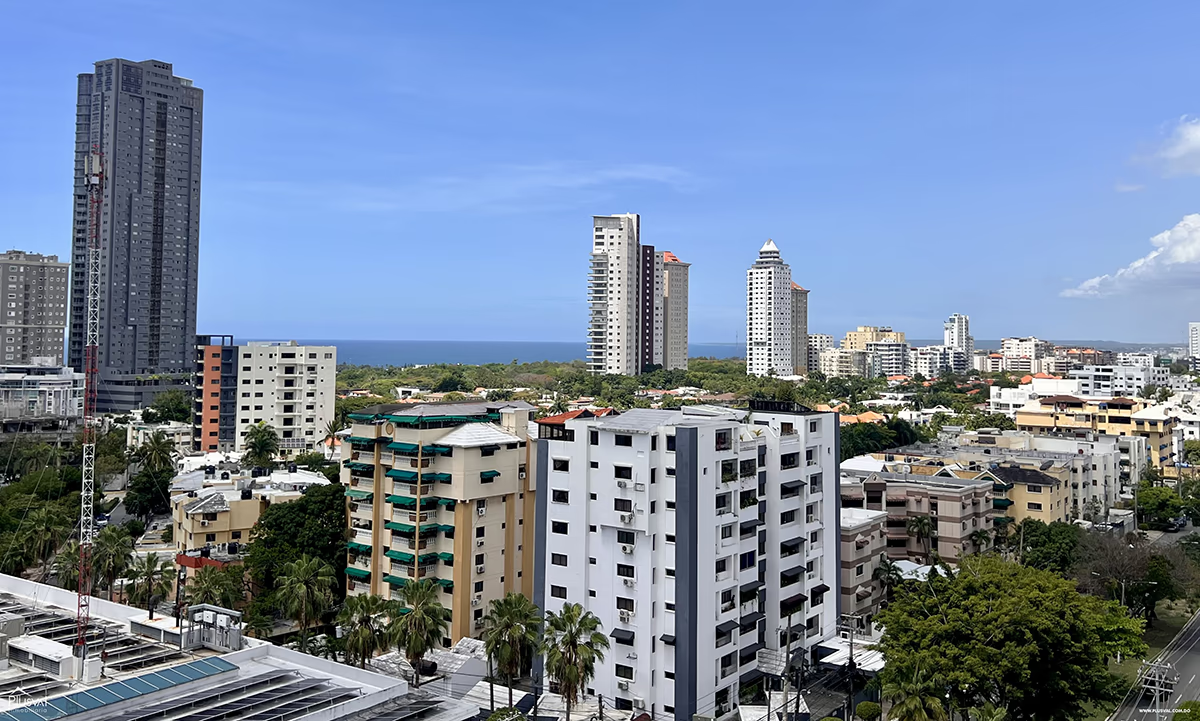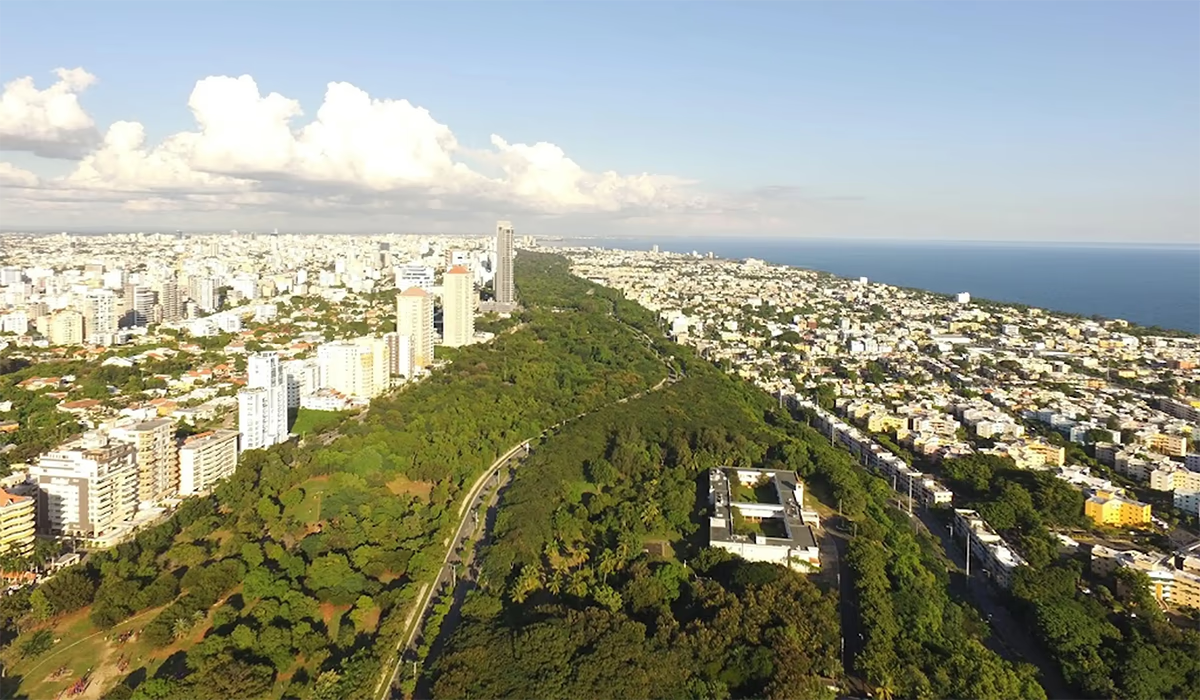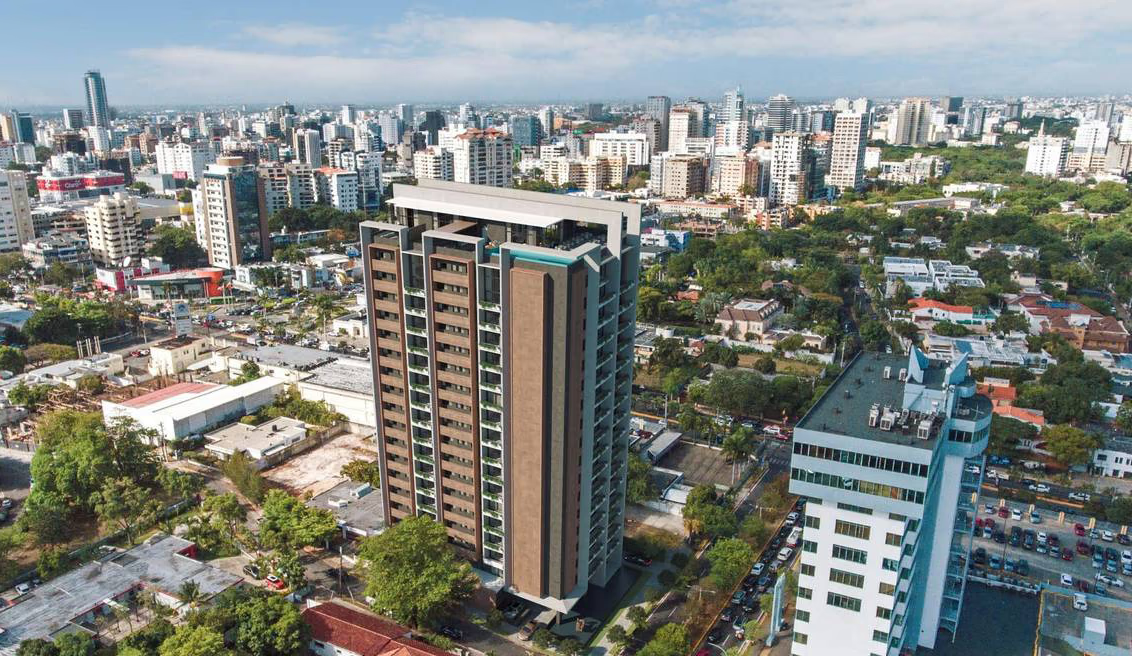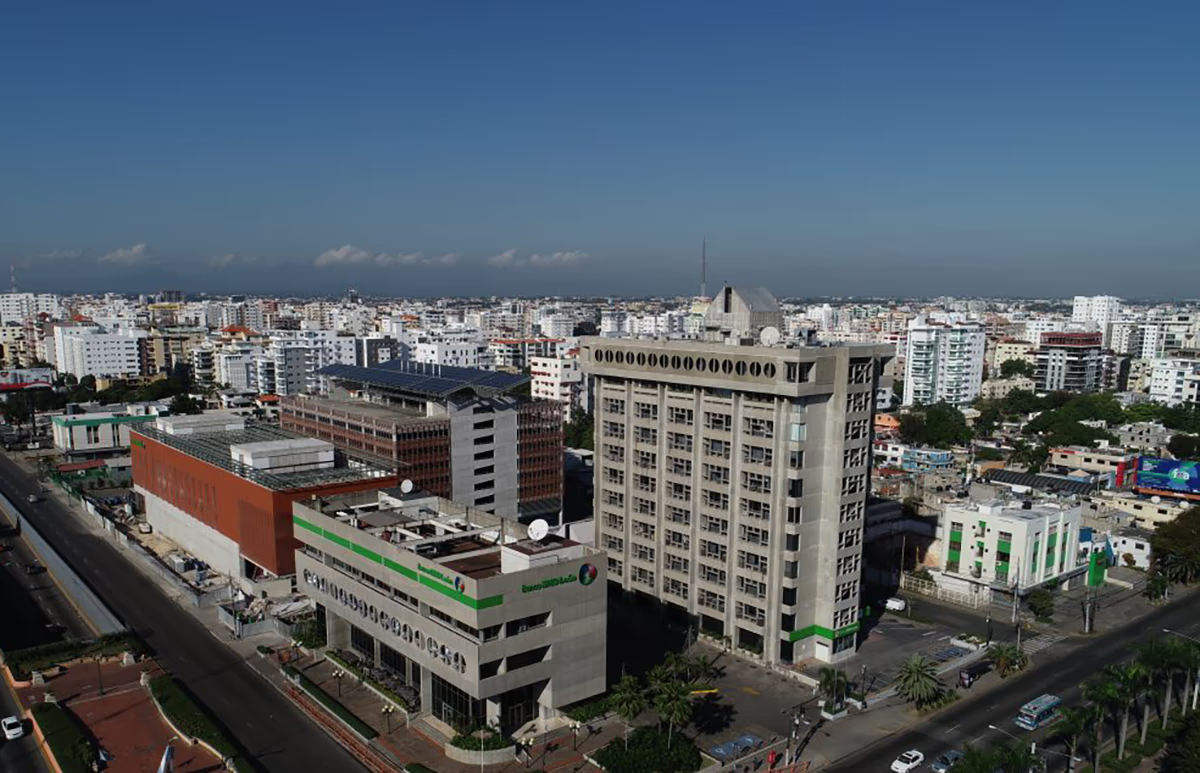
Market target
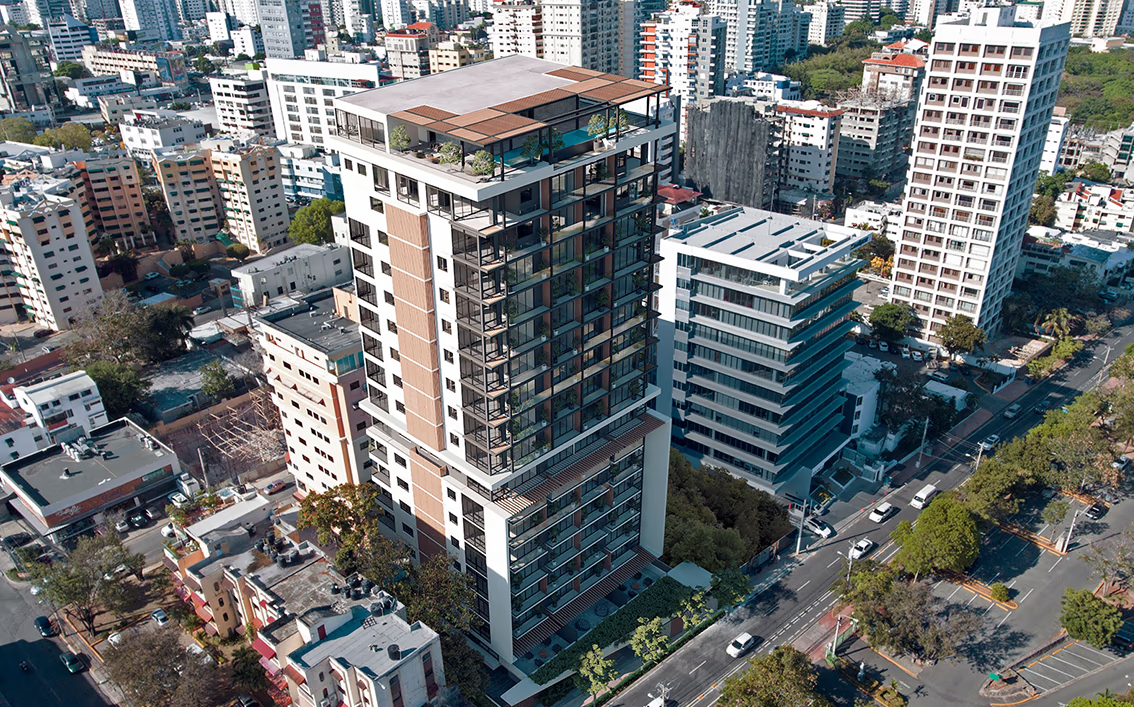
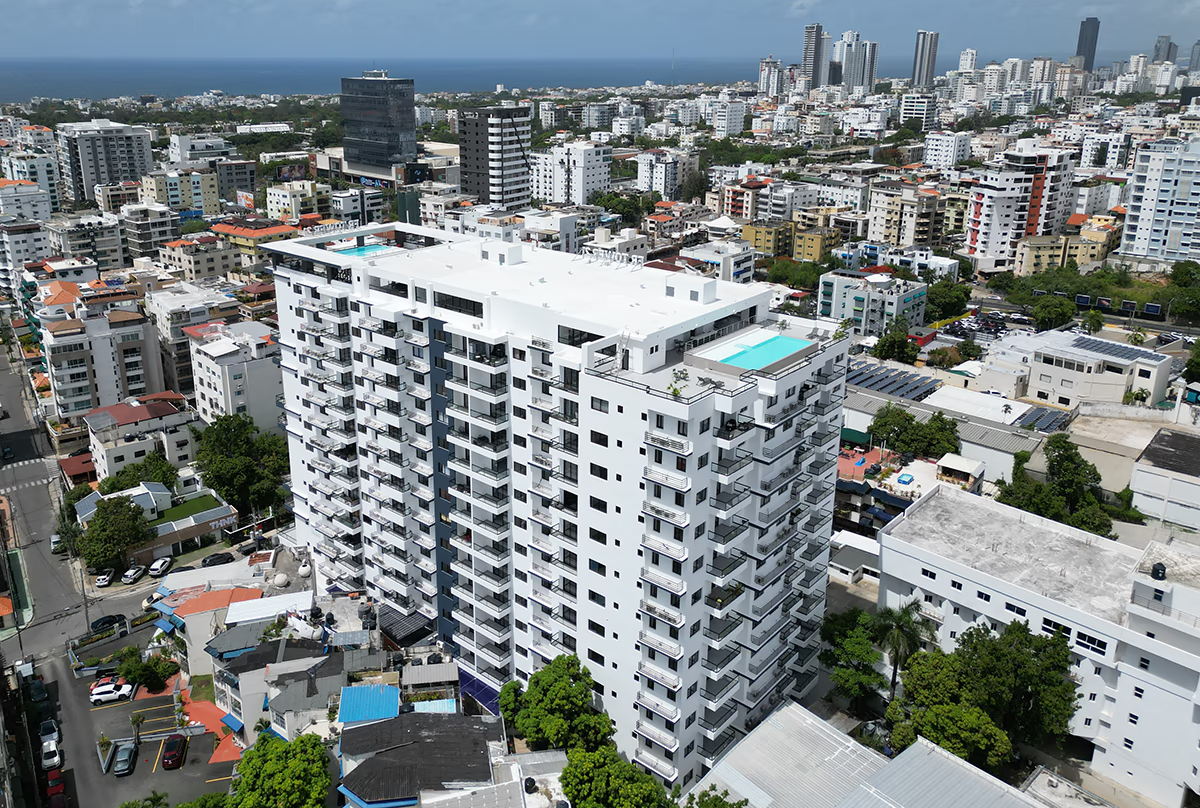
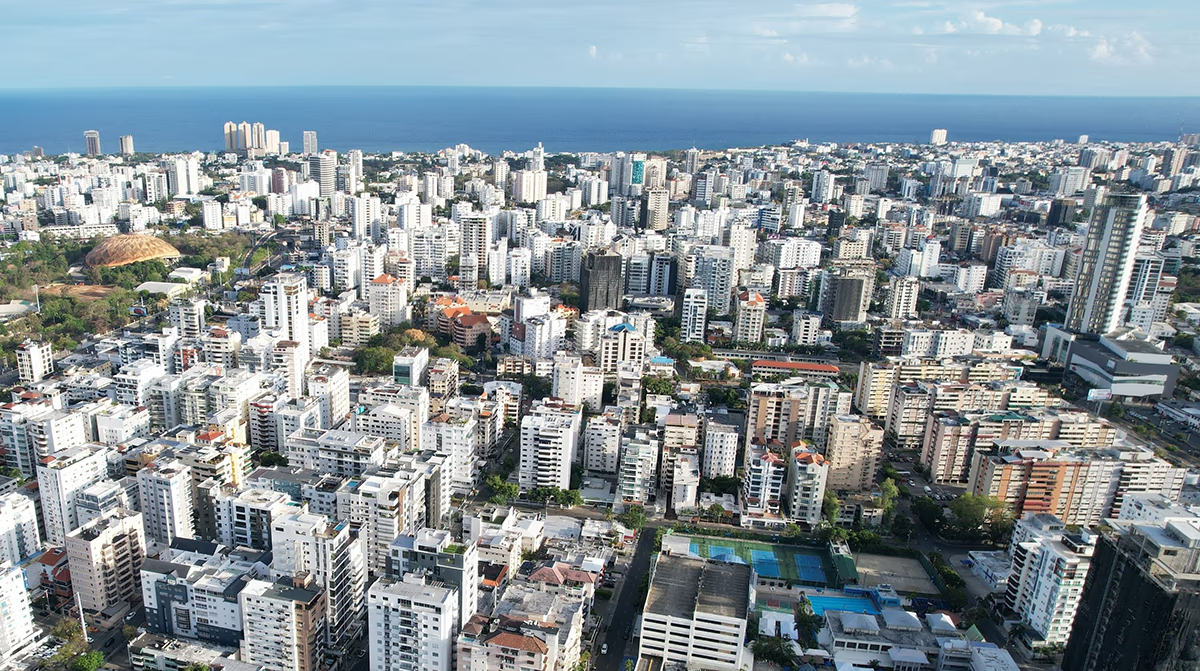
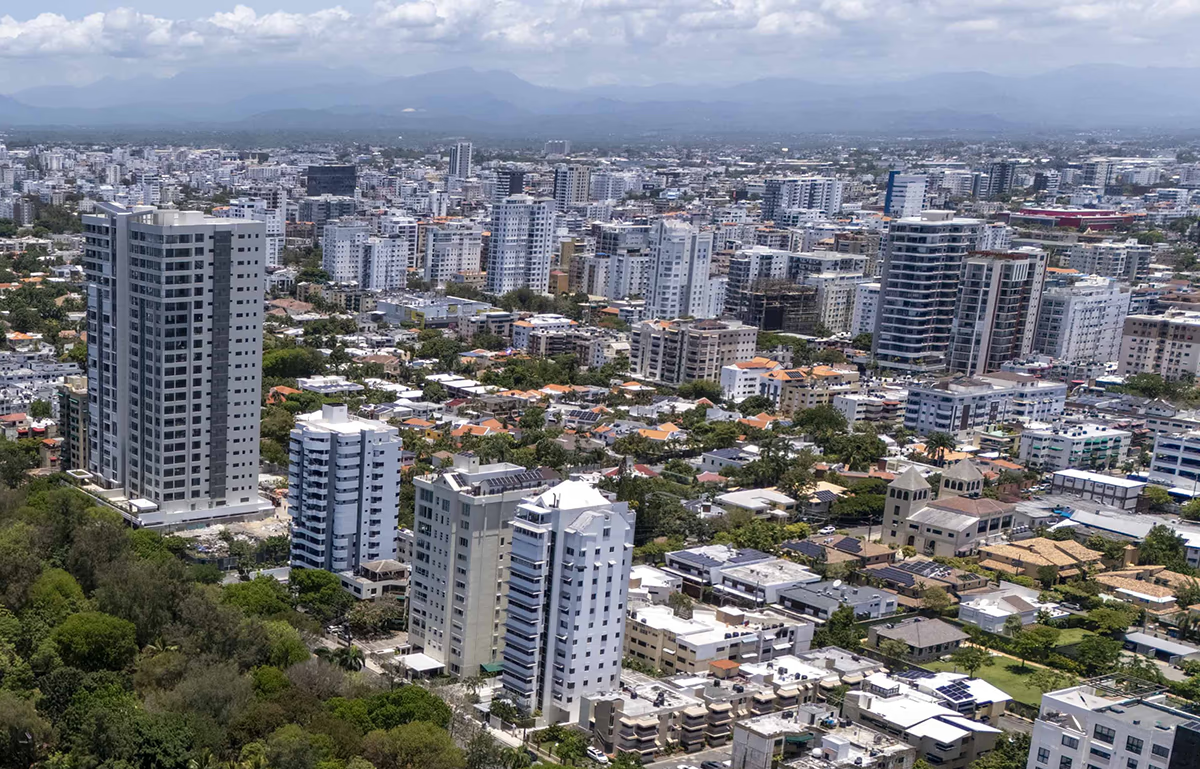
Understanding your buyer is the first step to a successful sale. Anacaona's prime location and luxury status attract a diverse group of high-net-worth individuals, each with specific motivations. The following table breaks down the key buyer segments you should target.
| Segment | Age | Budget | Preferred Locations | Key Motivations | Marketing Focus |
|---|---|---|---|---|---|
| Ultra-high-net-worth international buyers | 45–65 | $800K–$2.5M+ | Anacaona, Piantini, La Esperilla | Luxury waterfront living, prestige address, high-end amenities, proximity to business districts | Exclusive Torre Anacaona 27-style towers; Mirador Sur Park views; US$4,000+/sqm premium positioning |
| Professional expatriates & diplomats | 35–55 | $300K–$600K | Piantini, Naco, Anacaona | Walkable to offices, international schools, secure buildings, strong rental demand | 2–3BR apartments in Piantini/Naco; 9%+ yields; corporate rental potential |
| Buy-to-let yield investors | 30–50 | $150K–$400K | Naco, Bella Vista, Evaristo Morales, La Esperilla | 9–10% gross yields, high occupancy, dollar-denominated rents, lower entry price vs. Piantini | 2BR units US$195K–300K; 9.77% yields on 2BR (GPG); long-term tenant demand |
| Diaspora Dominicans (upgraders) | 40–60 | $250K–$700K | Piantini, Naco, La Esperilla, Gazcue | Return to Santo Domingo, family proximity, modern amenities vs. older housing, investment + personal use | Piantini US$325K avg; Naco US$275K; established neighborhoods with infrastructure |
The development landscape in Anacaona is dominated by local firms specializing in high-end, boutique towers. These developers often handle sales of new units, while the resale market for existing luxury penthouses and apartments is typically managed by specialized real estate agencies with strong international networks. Positioning your property to appeal to these segments requires a clear understanding of their priorities, as outlined above.
Tax Framework
The Dominican Republic offers a compelling tax framework for property owners, making it an attractive market for investors. Recent legislative changes have significantly enhanced the benefits for individual sellers, which is a key selling point when marketing your property.
Definition The fiscal regime for property sales includes a transfer tax, an annual property tax (IPI), and a capital gains tax (ITBIS on real estate gains). For individual sellers, a new law provides a dramatic reduction in capital gains liability, provided certain conditions are met.
Benefits
- Reduced Capital Gains Tax: Under Law 30-26 (June 2026), the capital gains tax for individuals on the sale of a property is set at 10%, a significant reduction from the previous 25%.
- Full Exemption on Reinvestment: You can defer this tax entirely if the sale proceeds are reinvested in a new primary residence within 6 months of the sale.
- Competitive Corporate Rate: For sellers using a corporate structure, the capital gains tax rate is 27%.
Example Calculation Let's illustrate the significant tax savings for an individual under Law 30-26.
- Purchase Price (Basis): $450,000 USD
- Sale Price: $600,000 USD
- Capital Gain: $600,000 - $450,000 = $150,000 USD
Option 1: Under previous tax regime (25%):
$150,000 * 25% = $37,500 in capital gains tax.
Option 2: Under current tax regime (10%, Law 30-26):
$150,000 * 10% = $15,000 in capital gains tax.
Total Tax Savings: $37,500 - $15,000 = $22,500 USD.
This calculation shows a 60% reduction in capital gains tax liability for individuals compared to the previous rate. If the seller reinvests the full $600,000 into a new primary residence within six months, the $15,000 tax is deferred, preserving even more capital for the next investment.
Requirements To qualify for the 10% rate, the seller must be an individual (not a corporation). To claim the full exemption, the seller must document the reinvestment of the full sales proceeds into a new primary residence within 6 months. For both scenarios, proper documentation of the original purchase price (basis) is essential to accurately calculate the gain.
Pricing Definition
Setting the right price is critical for a successful and timely sale. The following table shows the Average Market Comparable (AMC) for key areas in Santo Domingo, providing a benchmark for your property's value. This data is essential for justifying your asking price to potential buyers.
Santo Domingo AMC (Price per sqm)
| Area | Price per sqm (USD) | Profile |
|---|---|---|
| Anacaona | $3,974 | Ultra-luxury corridor facing Mirador Sur Park. Highest price point in Santo Domingo. |
| La Esperilla | $2,844 | Highest in Distrito Nacional. Emerging luxury zone adjacent to Piantini. |
| Piantini | $2,758 | Premium expatriate and business district. Top choice for diplomatic and executive housing. |
| Ensanche Naco | $2,552 | Central, walkable, and consistently liquid. Strong rental market. |
| Bella Vista | $1,884 | Affordable central neighborhood, value investment opportunity. |
| Evaristo Morales | $1,798 | Entry-level central district. Strong rental demand from young professionals. |
| Gazcue | $1,542 | Historic residential quarter with cultural institutions and honest pricing. |
| Zona Colonial | $1,199 | UNESCO World Heritage historic core. Short-term rental potential. |
7 Premium Factors that Influence Your Price
- Exact Location: Proximity to Av. Anacaona, views of Mirador Sur, and specific building prestige.
- Floor Level and Views: Higher floors with unobstructed, panoramic views command a significant premium.
- Building Amenities: World-class amenities (pool, gym, concierge, security) are non-negotiable for luxury buyers.
- Unit Condition: The quality of finishes, modernity, and state of maintenance directly impact value.
- Property Size: Price per sqm often decreases for larger units, but the overall price is higher.
- Parking: Availability and number of parking spaces.
- Rental Income: The potential rental yield, particularly for investors, acts as a strong anchor for the valuation.
A professional appraisal will consider these factors alongside the AMC data. Using the average rental yield of 7.0% for luxury penthouses in Santo Domingo, a property valued at $600,000 could generate approximately $3,500 monthly gross rent. This yield is a powerful tool for anchoring the property's value to an investor buyer.
Selling Process
Selling a property in Anacaona can take 30-90 days, and following a structured process is key to a smooth and profitable transaction. Real estate commissions typically range from 5-10% of the final sale price and are paid by the seller at closing. Here is a step-by-step guide to the process:
1. Preparation and Valuation Proper preparation is the foundation for a successful sale. This step is about maximizing your property's appeal to secure top dollar. It involves a professional valuation to determine the optimal asking price and preparing the property to make a strong first impression on buyers. This may include minor repairs, staging, and high-quality professional photography.
Documents to prepare at this step:
- Property Deed (Título de Propiedad): The official document proving ownership, registered with the Jurisdicción Inmobiliaria.
- Tax Receipt (Comprobante de Pago de IPI): Receipt showing you are up-to-date on the annual property tax (IPI).
- Certificate of Good Standing (Certificado de No Deuda): A document from the condominium association confirming all maintenance fees are paid.
2. Listing and Marketing This stage is about getting your property in front of the right buyers. You will create a compelling listing, using professional photography and videography (like Matterport 3D tours) to showcase the property. The listing will be distributed across local and international real estate portals to maximize global exposure.
Documents to prepare at this step:
- Energy Certificate: An energy efficiency certificate is not mandatory in the DR but is increasingly requested by international buyers.
- Property Floor Plans: Detailed, up-to-date architectural plans.
3. Showing and Negotiation Your agent will manage all property showings, both in-person and virtual. This is where you will present the property's best features to potential buyers. Negotiation skills are critical here, as you'll receive and evaluate purchase offers, aiming to agree on a final sale price and terms.
Documents to prepare at this step:
- Pre-Sale Compliance Checklist: A preliminary review of the property's title to ensure there are no liens or encumbrances.
- Maintenance Records: Logs of all major repairs, renovations, and routine maintenance performed.
4. Acceptance and Signing of the Preliminary Contract Once a final offer is accepted, both parties will sign a preliminary sales agreement (Contrato de Promesa de Compraventa). This document legally binds both sides to the transaction. At this stage, the buyer will typically pay a deposit (often 10% of the purchase price) into an escrow account.
Documents to prepare at this step:
- Preliminary Contract (Contrato de Promesa de Compraventa): Drafted and reviewed by your legal counsel to protect your interests.
5. Due Diligence Period This is a crucial phase where the buyer will conduct their final inspections and legal checks. This includes a comprehensive title search to ensure clear ownership, a property inspection, and verification of all provided documentation. Your cooperation is essential for a smooth process.
Documents to prepare at this step:
- All Maintenance Records: Providing comprehensive history can build buyer confidence and prevent negotiation delays.
- Building Management Information: Details on the building's administration, bylaws, and financial health.
6. The Title Transfer The property's title is officially transferred to the buyer at the Jurisdicción Inmobiliaria. A notary public drafts the final deed of sale (Escritura Pública de Compraventa). You will need to present your original title deed and provide a copy of your ID or passport.
Documents to prepare at this step:
- Original Property Deed: Required to formalize the transfer.
- Government-Issued ID: Your passport or official ID for identity verification.
- Power of Attorney (if applicable): If you are not signing in person, this must be provided.
7. Tax Payment and Settlement Before closing, all applicable taxes must be calculated and settled. This is often handled through an escrow account. The taxes include the Transfer Tax (3%), Capital Gains Tax (10% for individuals, 27% for corporations), and any applicable Notary and Registration fees.
Documents to prepare at this step:
- Paid Tax Receipts (DGII): Proof of payment for transfer and capital gains taxes.
8. Closing (Final Deed Registration) The process culminates at the final closing. All parties sign the final deed before a notary. The final balance of the purchase price is disbursed to you (the seller), and the new deed is registered with the Jurisdicción Inmobiliaria. Once registered, the property officially belongs to the buyer.
Documents to prepare at this step:
- Signed Deed of Sale: The final escitura signed by all parties.
- Payment of Outstanding Balances: Settlement of any remaining fees or taxes.
Taxes and Transfers
📌 Legal Highlight: Law 30-26 (June 2026) is a game-changer for individual sellers in Anacaona. Capital gains tax has been slashed from 25% to 10%, and you can defer this entirely by reinvesting proceeds into a new primary residence within 6 months. This makes now an ideal time to sell.
This section details the specific taxes and legal steps you'll encounter when transferring your property. Understanding these costs and compliance requirements upfront is essential for a smooth sale. There are key differences between selling as an individual versus a corporation, which can significantly impact your net proceeds.
Capital Gains: Individual vs. Corporate
- Individual (10%): Under Law 30-26, individuals benefit from a 10% capital gains tax on the profit from the sale. A full exemption is available if the proceeds are reinvested in a new primary residence within six months.
- Corporate (27%): If you own the property through a Dominican SRL or SA corporation, the capital gains tax rate is a flat 27% on the gain. There is no reinvestment exemption for corporations.
Pre-Sale Compliance Before the sale can close, the buyer's due diligence will require you to provide evidence of all property tax payments (IPI) to date. A certificate of no liens or encumbrances on the property is also required. Ensuring all your paperwork is in order will prevent costly delays during the due diligence phase.
Benefits of the Special Regime The key advantage is the low 10% rate for individuals, which makes the DR an even more attractive market for high-net-worth investors. This is a significant selling point you can highlight to potential buyers and a key financial benefit for you as the seller.
Pre-Transfer Checklist Follow this checklist to ensure a compliant and efficient property transfer:
- Tax Status Verification: Verify your IPI (property tax) is fully paid up to the current year and obtain the official receipt from DGII.
- Legal Title Check: Ensure your property deed is registered with the Jurisdicción Inmobiliaria and the title is clear.
- Engage Legal Counsel: Hire a local real estate attorney to draft the sales agreement and oversee the legal process.
- Prepare for Closing: Coordinate with the notary and buyer's attorney to arrange the final deed signing and tax payment settlement.
Rental Yields
📌 Strategic Highlight: Leverage dynamic pricing to maximize your rental income. Use hotel-revenue management principles: adjust rates up for peak travel seasons (Dec-Mar) and lower for off-peak. Implementing algorithms or strategies from platforms like Beyond Pricing can help you capture the highest possible rate year-round.
Rental yield is a primary driver for many buyers, especially investors. Understanding the potential returns from your Anacaona property is crucial for pricing it competitively. The table below shows a comparison of gross ROI and management costs across different Santo Domingo neighborhoods, with a focus on the high-yield potential of the area.
| Area | Strategy | Gross ROI | Management Cost |
|---|---|---|---|
| Anacaona | Luxury Penthouse (Long-term) | 7.0% | Standard (8-12% of rent) |
| La Esperilla | Modern Apartment (Long-term) | 9%+ | Standard |
| Ensanche Naco | 2BR Apartment (Long-term) | 9.77% | Standard |
| Bella Vista | Commercial/Residential | Up to 16% (Commercial) | Standard |
| Evaristo Morales | 2BR Entry-Level (Long-term) | 9%+ | Standard |
| Zona Colonial | Restored Unit (Short-term) | Higher (Tourism-driven) | Higher (Full-service) |
The Anacaona corridor, while commanding the highest price per square meter, also attracts premium tenants willing to pay for the lifestyle, resulting in a healthy 7.0% gross yield. Emerging areas like La Esperilla and established ones like Naco offer some of the highest yields in the city, making them attractive to buy-to-let investors. For example, a property yielding 9.77% in Naco generates significant annual income for its owner.
To maximize your returns, consider the following:
- Seasonality: The high tourist season (December to March) commands premium rates for short-term rentals.
- Dynamic Pricing: Use tools and algorithms to adjust nightly or monthly rates based on demand, seasonality, and local events, maximizing your revenue.
- Management: Factor in property management costs (typically 8-12% of gross rent) to calculate your net return.
International Marketing
📌 Marketing Highlight: Invest in structural guarantees. A comprehensive maintenance log, recent inspection reports, and a history of repairs are powerful marketing tools. They demonstrate the property's value and reduce perceived buyer risk, often leading to faster offers and a higher sale price.
To attract high-net-worth international buyers, your marketing strategy must be sophisticated and targeted. The following 6+ tactics will ensure your Anacaona property gets the global exposure it deserves.
- Matterport 3D Virtual Tours: Provide an immersive, self-guided walkthrough experience for international buyers who cannot visit in person. This builds trust and interest.
- Professional Profit & Loss (P&L) Statements: For investors, a clear P&L statement detailing potential rental income, expenses, and ROI is a non-negotiable tool.
- USD Pricing: All marketing materials must list the price in US Dollars to cater to the primary currency used in international real estate transactions.
- PDF Investment Memorandums: Create a comprehensive, downloadable PDF that combines all property details, high-quality visuals, P&L projections, and neighborhood data. This serves as a professional, shareable document.
- Geo-Targeted SEO & Ads: Use targeted online advertising (Google Ads, social media) focused on key markets like the US, Canada, Spain, and other European countries. Optimize listing language for search terms like "luxury Santo Domingo penthouse" or "Anacaona real estate."
- Bilingual Attorney for Closings: Offering to facilitate the closing process with a bilingual attorney reassures international buyers who may be unfamiliar with the local legal and fiscal framework.
- High-Quality Visual Assets: Professional photography and video walkthroughs are essential for any luxury listing. They are your property's first impression to the online world.
Geo-Targeting Focus Your advertising and outreach should focus on the following key markets, identified through typical buyer profiles for Anacaona:
- United States (East Coast): High-net-worth individuals, particularly those of Dominican descent.
- Canada: Investors seeking warm-weather, stable markets.
- Spain: Retirees, investors, and those with familial or business ties to the Dominican Republic.
- Europe: Ultra-high-net-worth individuals seeking luxury second homes.
Legal Structure
Understanding the legal structure through which you hold your property is crucial, as it has significant tax implications and affects the ease of transfer. The choice is typically between owning it as an individual or through a Dominican corporation (like an SRL).
Comparative Table: Individual vs. Corporate Ownership
| Structure | Pros | Cons |
|---|---|---|
| Individual Ownership | Low capital gains tax (10%), easier and cheaper to set up and maintain, direct ownership provides simplicity. | Personal liability in case of property-related lawsuits, the 10% rate is only for individuals. |
| SRL/Corporate (LLC) | Liability protection, potential for tax-deductible expenses (if actively running a business through it). | High capital gains tax (27%) on the eventual sale, higher setup and annual maintenance costs, more complex administration. |
Costs to Consider
- Individual: No annual setup or maintenance costs aside from standard property taxes (IPI).
- Corporate: Setup costs can be significant (legal fees, incorporation tax), and annual maintenance fees include accounting, tax filings, and legal representation.
Note for Developers If you are a developer selling multiple units, a corporate structure is often the standard and may be required. However, for individual owners of luxury condos or penthouses in Anacaona, individual ownership is almost always the most advantageous structure for eventual sale due to the significantly lower capital gains tax rate of 10%.
Exit Planning
Strategic exit planning involves assessing market conditions and your personal financial goals to decide the optimal time to sell. The Dominican Republic's strong economic fundamentals support a robust luxury real estate market.
Liquidity and Market Conditions The luxury market in Anacaona is generally liquid, with properties attracting serious international and domestic buyers. Average days on market for well-priced properties in prime areas like Naco and Piantini are between 75-100 days. A well-marketed property in Anacaona should be within this range or sell even faster if priced correctly.
Key Macroeconomic Indicators These indicators provide a solid foundation for the market's strength and are essential for justifying your asking price:
- GDP Growth: The Dominican Republic posted a healthy GDP growth rate of 4.1% in Q1 2026 (Source: BCRD, via Infobae).
- Inflation: Year-over-year inflation was reported at 4.63% in March 2026 (Source: BCRD, via Infobae).
- Tourism: The sector is booming, with a projected 12 million annual arrivals, driving demand for both short-term rentals and second homes.
Long-Term Perspective
- Consolidated vs. Emerging: Anacaona is a consolidated luxury market, offering stability, prestige, and strong capital preservation. It is less volatile than emerging areas. Emerging areas like La Esperilla may offer higher growth potential but come with more risk.
- Your Personal Situation: The final exit decision should be guided by your investment horizon and personal financial needs. You may choose to:
- Sell now to capitalize on strong demand and low individual capital gains tax.
- Hold the property for long-term appreciation and rental income, leveraging the 10% tax rate if you sell later.
- Reinvest the proceeds into a new primary residence to defer capital gains tax entirely, as allowed under Law 30-26.
Using the current macro data to anchor your property's value will demonstrate its strong investment potential to serious buyers.